
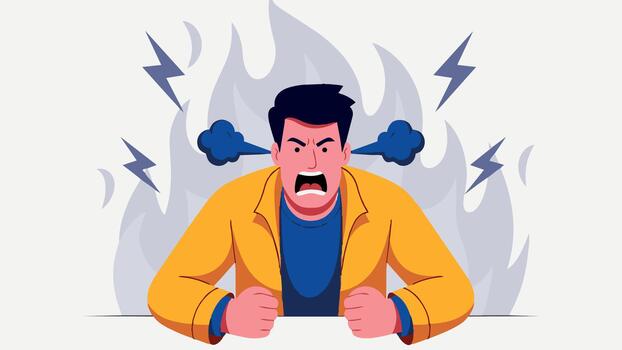
Anger isn’t usually the real emotion. It’s the emotion that shows up to protect the one hiding underneath.
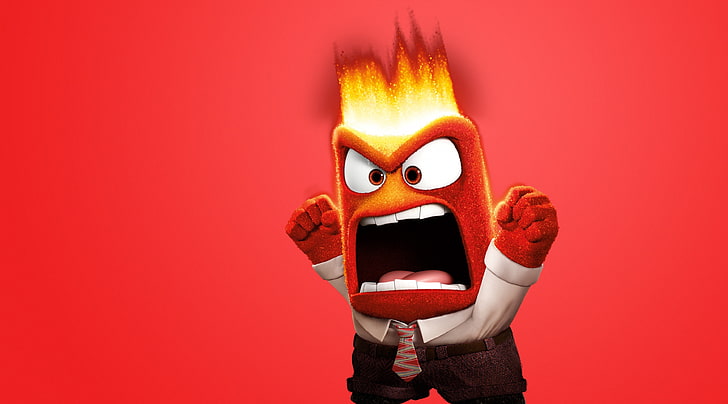
When people feel rejected, embarrassed, powerless, or hurt, the brain often translates those vulnerable feelings into anger. Why? Because anger feels stronger than sadness and safer than fear.
That’s why someone who shouts over a small mistake may not be reacting to the mistake at all. They could be reacting to stress, insecurity, or unmet expectations that have been building for days.
Anger also narrows our thinking. In the heat of the moment, the brain shifts into survival mode, making us react before we reflect. We focus on winning the argument instead of solving the problem.
The key isn’t to suppress anger—it’s to understand what it’s trying to protect. Behind every outburst is often an unmet need, a wounded expectation, or a fear that hasn’t been expressed.
Final Thought
The strongest people aren’t the ones who never get angry. They’re the ones who pause long enough to ask:
“What am I really feeling beneath this anger?”
Because when you understand the emotion behind the anger, you stop fighting people—and start solving the real problem.